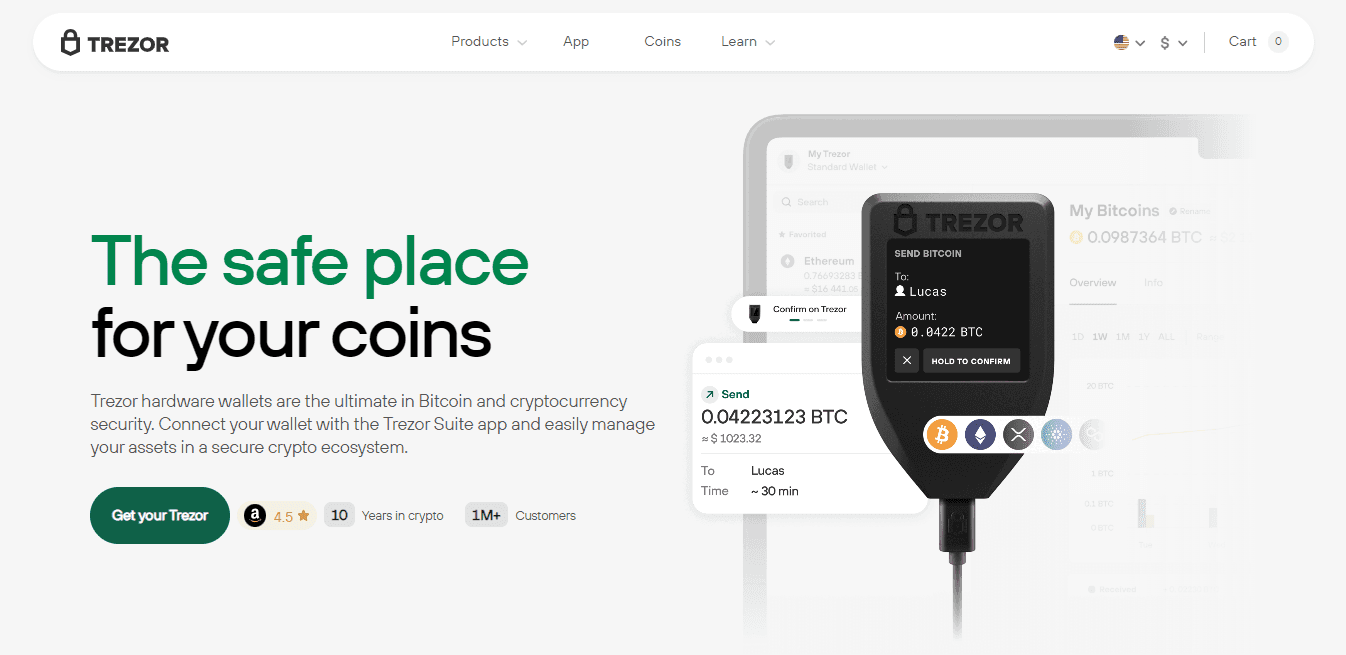
Trezor Bridge is a lightweight communication tool that allows Trezor hardware wallets to interact securely with web browsers and desktop applications. It acts as a trusted middle layer, enabling encrypted data exchange between your device and supported wallet interfaces without exposing private keys to the internet or third-party software.
Unlike browser extensions, Trezor Bridge runs as a background service on your computer. This design improves stability and compatibility across different browsers while reducing security risks. Once installed, the bridge automatically connects supported web wallets to your Trezor device when needed.
Trezor Bridge is essential for users who manage cryptocurrencies through the Trezor Suite web interface or third-party platforms. It ensures that transactions, confirmations, and device actions are transmitted safely. All sensitive operations still occur on the hardware wallet itself, maintaining strong protection against malware.
The installation process is simple and beginner friendly. Users download Trezor Bridge from the official Trezor website and follow the on-screen instructions for their operating system. It supports Windows, macOS, and Linux, making it accessible for most cryptocurrency users worldwide.
Security is a core focus of Trezor Bridge. The software only facilitates communication and never stores private keys or recovery phrases. Updates are digitally signed by Trezor, ensuring authenticity. Users are encouraged to keep the bridge updated to benefit from performance improvements and security patches.
Trezor Bridge works seamlessly in the background and requires minimal user interaction after setup. When you connect your hardware wallet, supported applications detect it instantly. This smooth experience makes managing digital assets more convenient while preserving the high security standards Trezor is known for.
For users prioritizing privacy and control, Trezor Bridge plays a crucial role in the overall ecosystem. It complements the hardware wallet by enabling safe browser connectivity without compromising decentralization. By separating device communication from browser code, it reduces potential attack surfaces.
Trezor Bridge is regularly maintained to stay compatible with modern browsers and operating systems. If issues arise, troubleshooting usually involves restarting the service or reinstalling the software. Comprehensive documentation and community support are available through official Trezor channels.
Overall, Trezor Bridge is an important component for anyone using a Trezor hardware wallet in a web-based environment. It balances usability with strong security principles, allowing users to interact confidently with decentralized applications and wallet interfaces. By acting as a secure connector rather than a wallet itself, it minimizes risk while maximizing reliability. Whether you are a beginner holding your first digital assets or an experienced user managing multiple cryptocurrencies, Trezor Bridge helps ensure smooth, trusted communication between your device and the online world. Keeping it installed and updated is a simple step that significantly enhances the safety and efficiency of your crypto management experience. This reliability is especially valuable during transactions, firmware checks, and account verification, where consistent device detection matters. With a clear focus on transparency and open-source values, Trezor Bridge reinforces user trust and supports long-term, self-custodied cryptocurrency ownership. Together, these qualities make it a dependable tool in everyday crypto workflows for users worldwide today.